 Let's talk
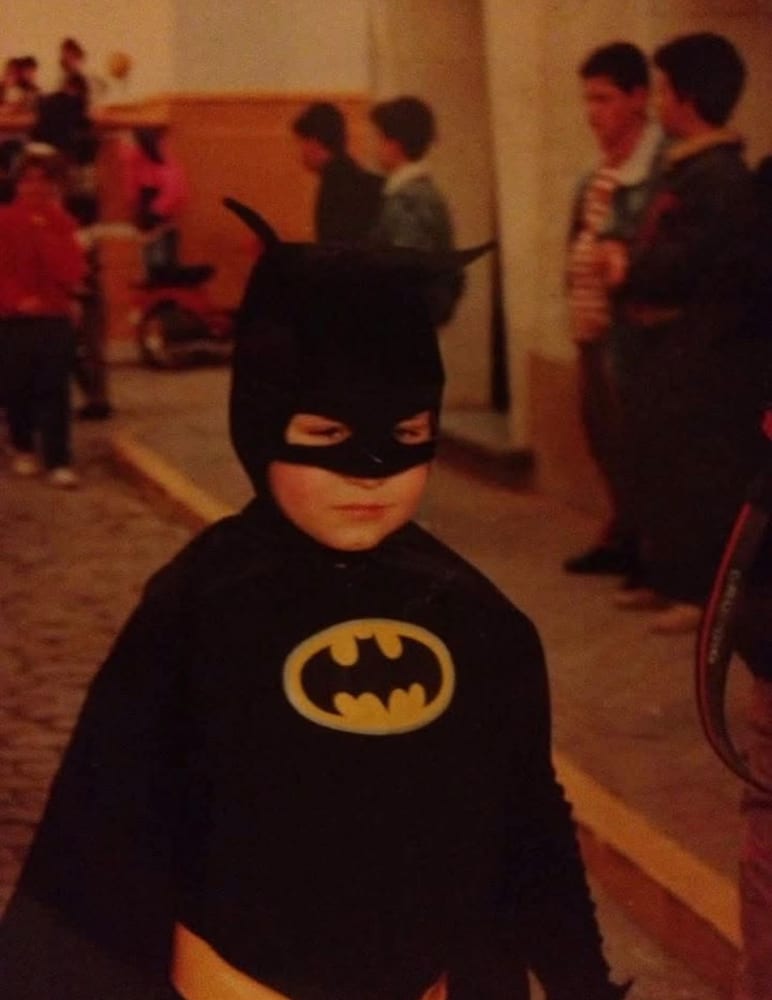
He has no idea
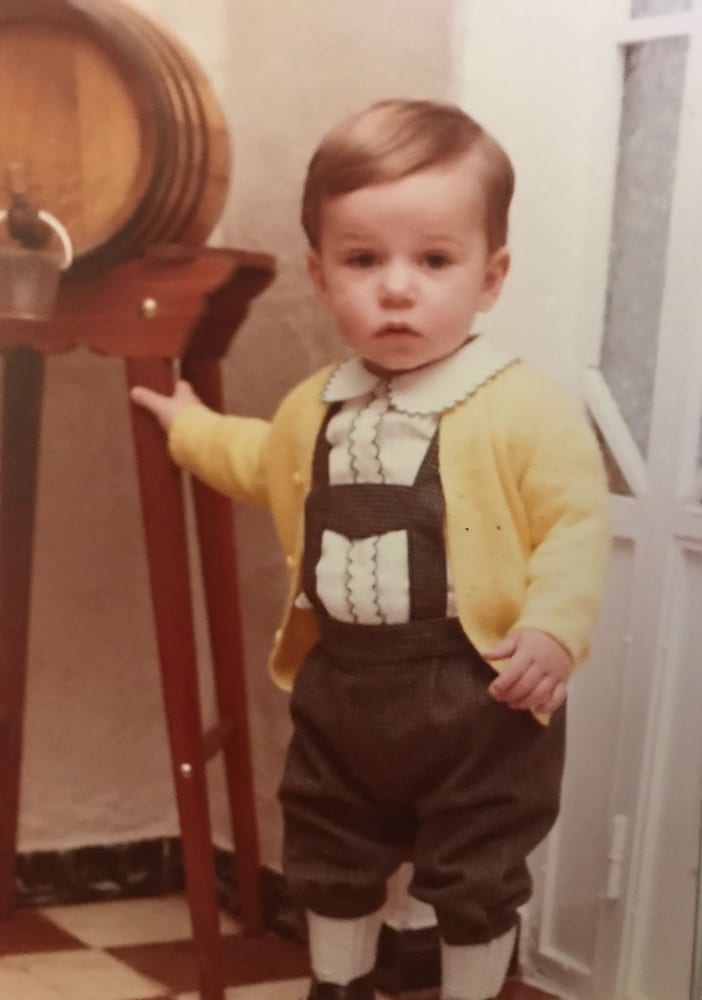 Juanjo
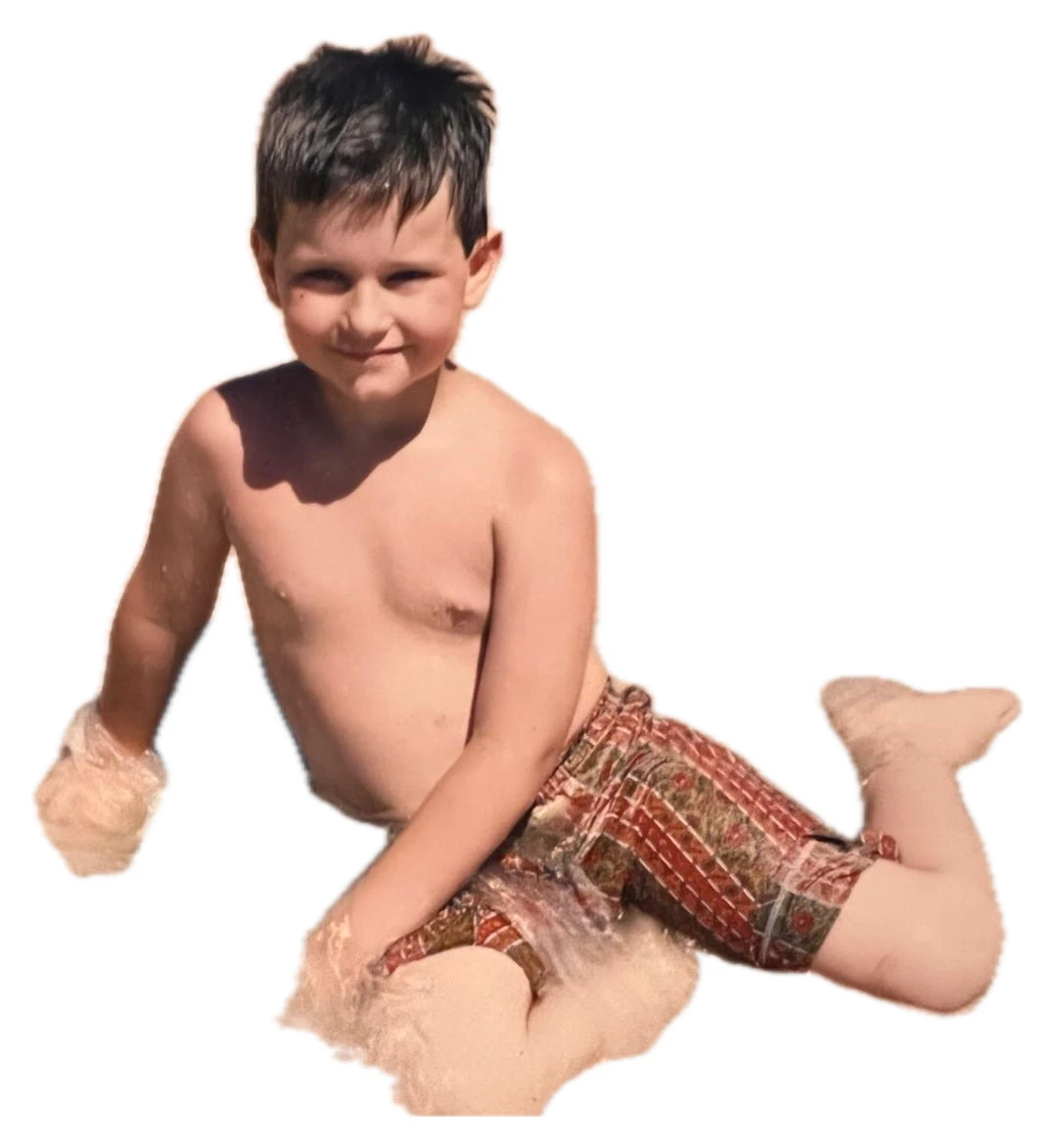
Nor does he know he will visit volcanoes, wars and pandemics, filming documentaries with chef José Andrés.
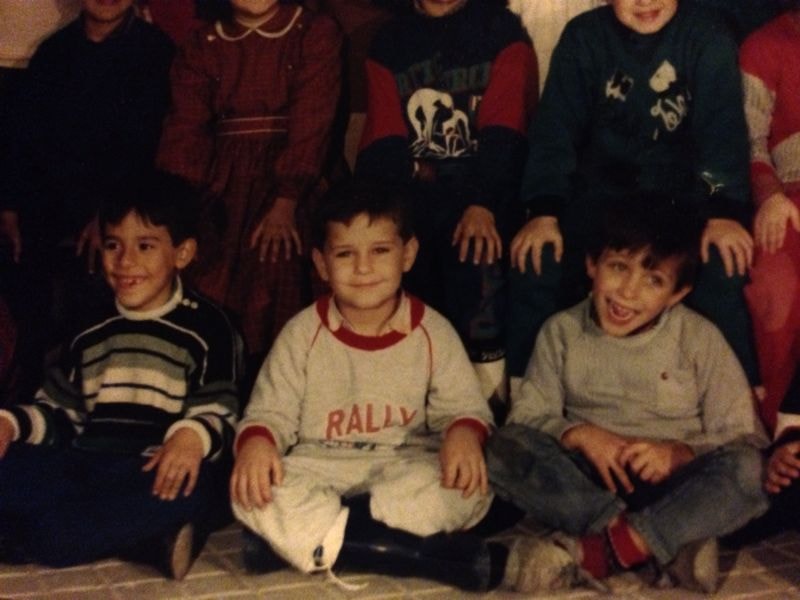
If you’ve landed here looking for a photographer or videographer who is passionate about photography, I’m sorry: that isn’t me.
My name is Juanjo. I’ve been filming weddings since 2016, but not because I love cameras. I film to tell stories, and to start telling you what I do, feel and see, I have to begin with the house I grew up in.
In my house you never needed a reason to get together. Any excuse would do, and since we never all fitted, the doors came off and turned into tables. Food for everyone went on top, and nobody minded eating off a door as long as their people were sitting next to them.
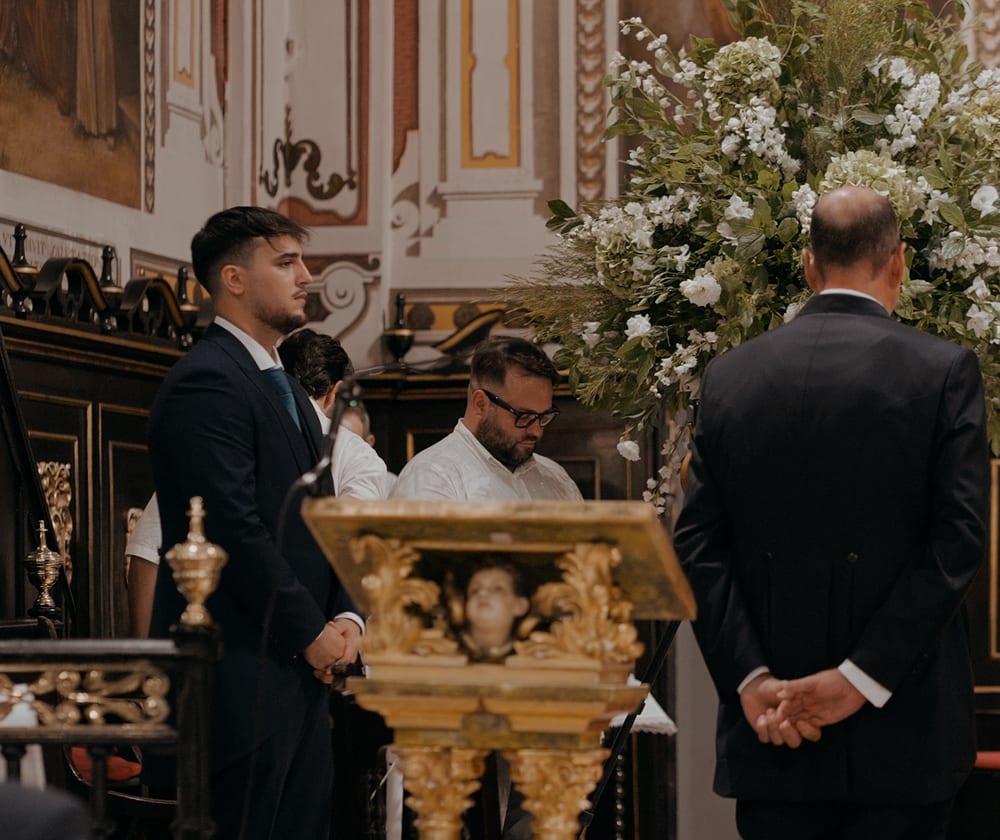
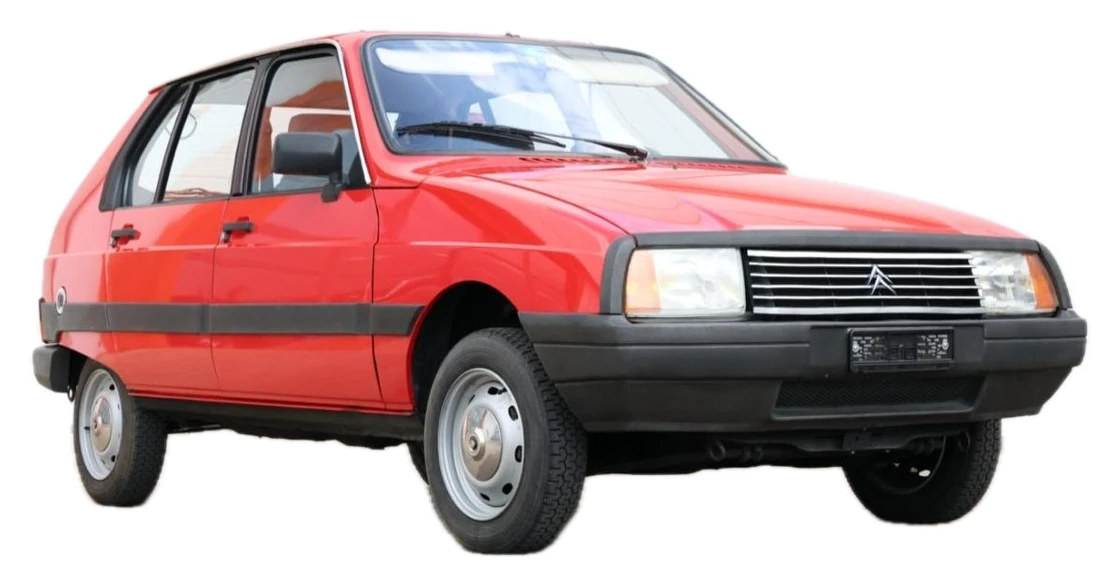
That’s how my parents were. They took us to the beach every summer in a red Citroën Visa, with no air conditioning but smelling of Spanish omelette and breaded meat. They showed us half the world and celebrated anything and everything. They never said so, but they spent their lives making memories for us.
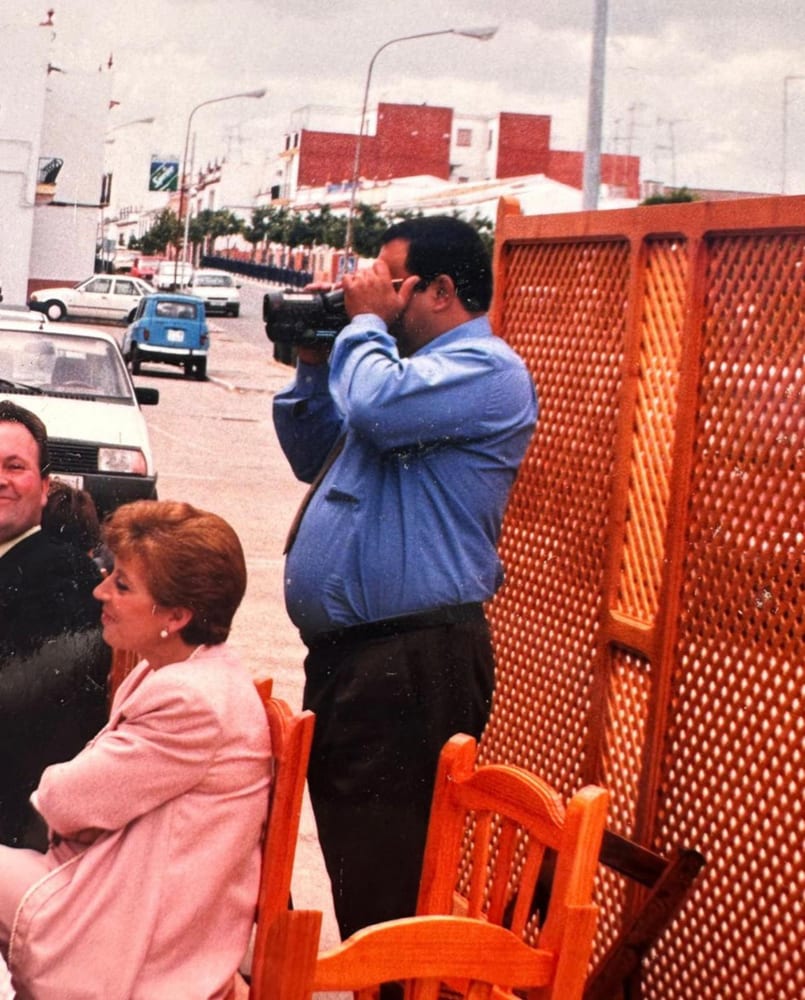
My father was also the one with the camera. At every family gathering there was always someone filming, and it was him. Over the years he gave it up, the way you give those things up, without anyone paying much attention. And now that I look back, he was my main inspiration.
My mother was called Ana.
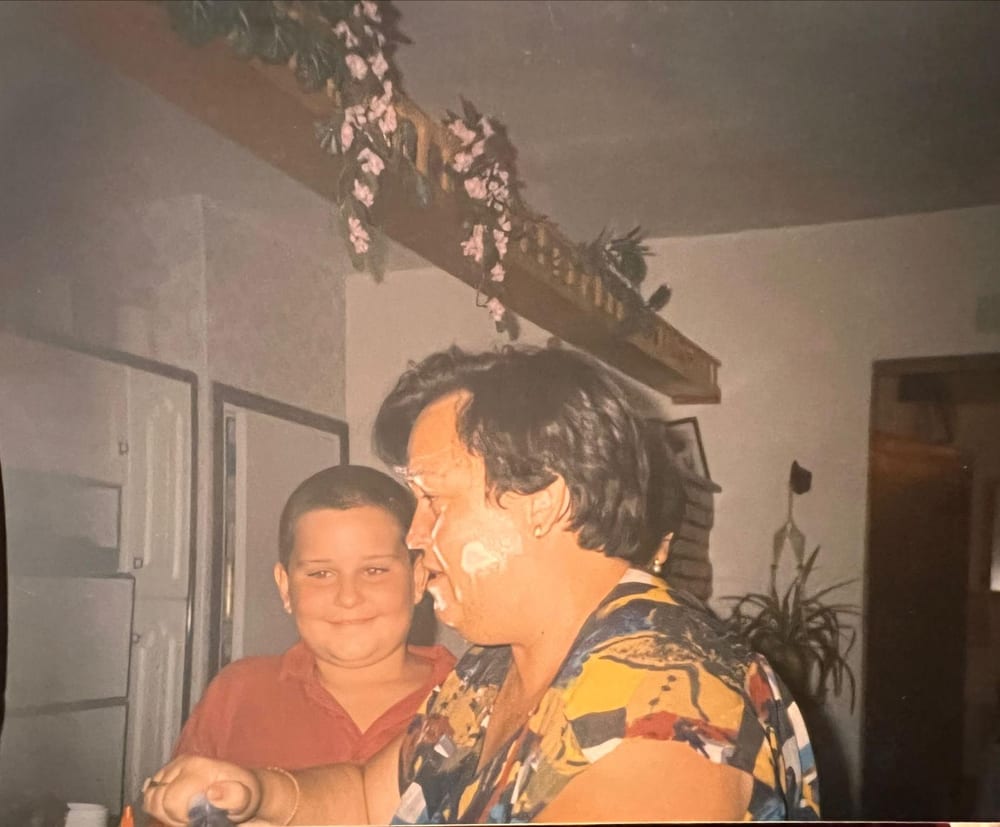 Ana
At twenty you think there’s time for everything. It never occurred to me to film her talking, or to ask her to tell me anything in front of a camera. Why would I? She was right there.
Today I don’t have her voice. Not a voice note, not a video: nothing. I remember what we lived through, the summers and those tables made out of doors. But a voice is the first thing to go, and I would give anything to hear hers again.
My eldest daughter is called Ana, after her. Every time I call her name, I’m saying a little of my mother’s too.
From my parents I inherited a way of living. Nobody can say my mother didn’t live her life, nobody. My real passion isn’t photography: it’s living. I’ve enjoyed life enormously, because I’m still alive, and I intend to keep doing so. As long as I’m here, I’ll keep making memories for the people around me, with a camera or without one.
To me, making memories means really being there. There’s no point taking a photo with a relative just to have the photo if you never go and see them, even when they live close by. The photo doesn’t make the memory: having been there does.
This year, one day at home, we said: shall we go? A week later the five of us were in Japan. We didn’t plan it for months or wait for the perfect moment: we just went. Twenty years from now, I hope my three children look at each other and say: we had such a good time.
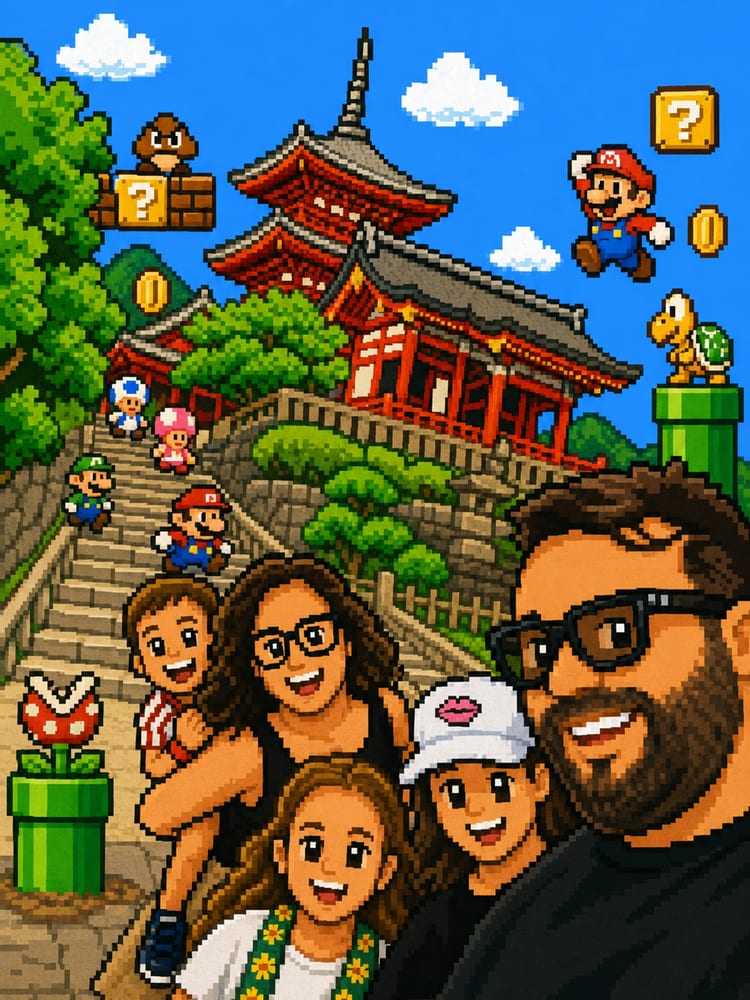 Japan
And the day I’m gone, I’d like someone to say «Juanjo would have done this here», or «do you remember that day with Juanjo, in that place, at that wedding?». And for the next thing to be a «Wow! What a great day that was!». May whoever crosses my path take a memory with them: a lovely one at the very least and, at best, a «Wow!!».
It isn’t about taking photos. It’s about remembering how happy we are, or were.
I have worked with chef José Andrés and his NGO, World Central Kitchen. I was by his side during the pandemic, at the La Palma volcano, with Ukraine and in other disasters, documenting what he did: the aid he handed out, his way of bringing people together through food, and the way he solved problems.
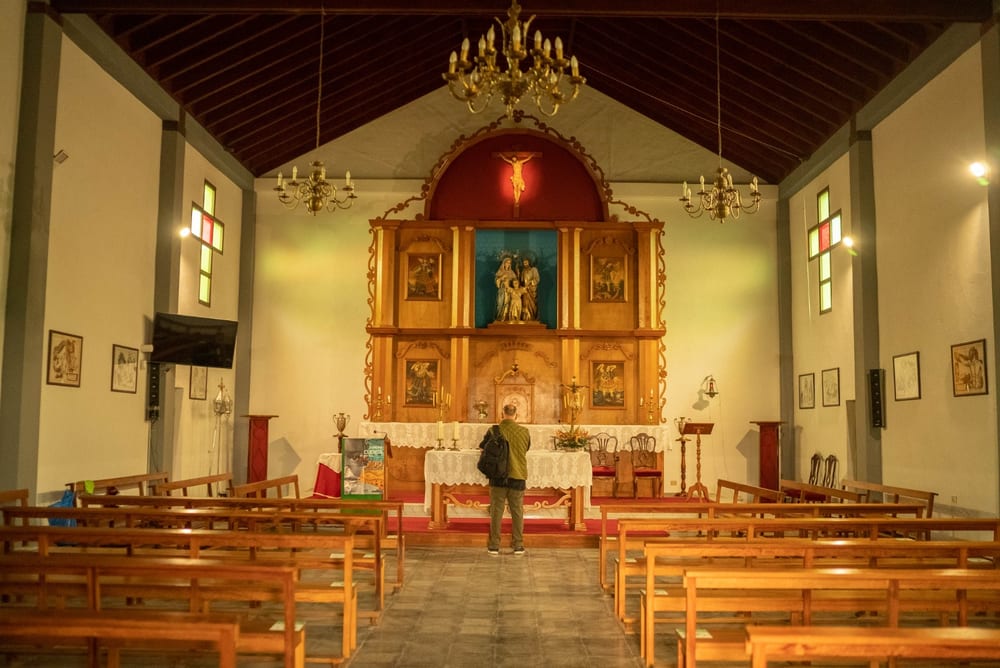
In La Palma I took the photo of José Andrés praying alone in a church on the island. It is now the cover of “Te llevo en La Palma”, the album Siloé released as a tribute to World Central Kitchen. In his backpack he carried the money from the Princess of Asturias Award, which he shared out there among those affected. Since then, Siloé have been friends of mine.
In La Palma, with World Central Kitchen.
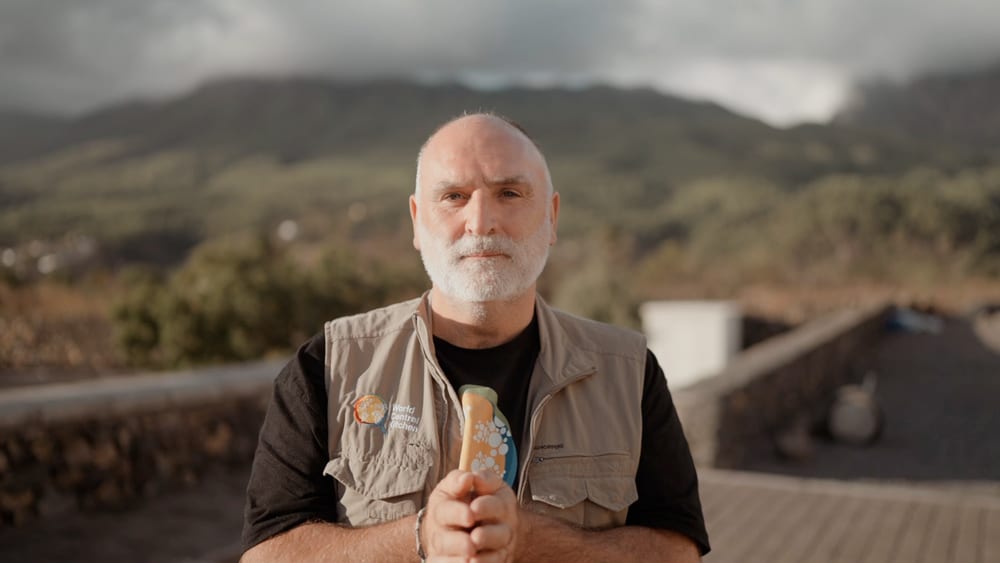
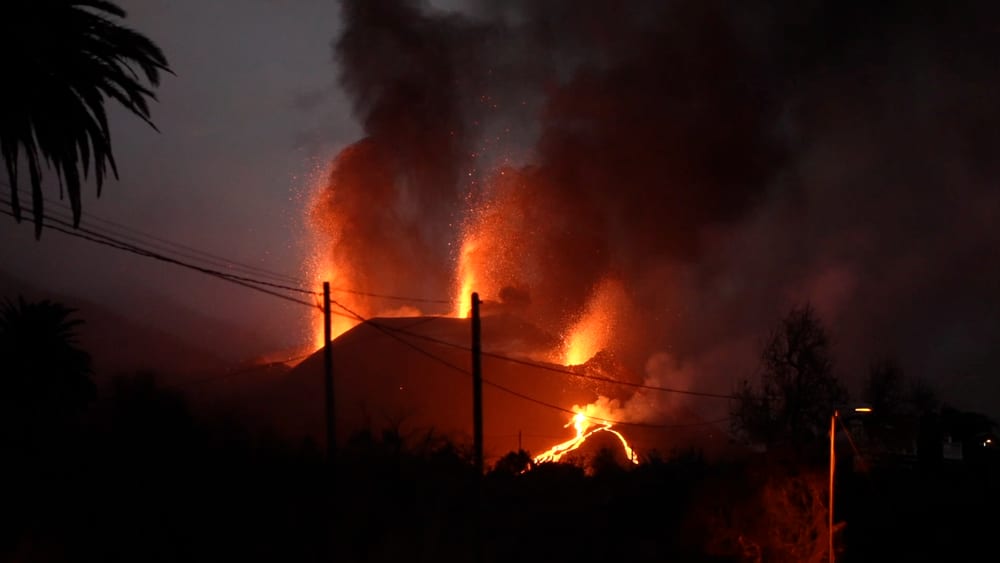
“Mi nombre es La Palma”, the video I filmed at the volcano with José Andrés.
On Correos’ first shipment of humanitarian aid for Ukraine, in March 2022, the Correos Cargo Airbus A330 “Milana Bonita” carried more than 40 tonnes of World Central Kitchen equipment —an industrial kitchen, insulated equipment to keep food hot and everything needed to set up field kitchens— to Rzeszów, in Poland, about 90 kilometres from the Ukrainian border. I was with José Andrés on that first shipment, and this is the video.
At your wedding I won’t direct you or ask anything of you (or maybe I will). I’ll be there, watching, filming what really happens. I’ll ask you for something, but as little as I can. What matters is that you live your wedding.
Many years from now, when you watch your wedding again, you won’t just see yourselves: you’ll feel it all again.
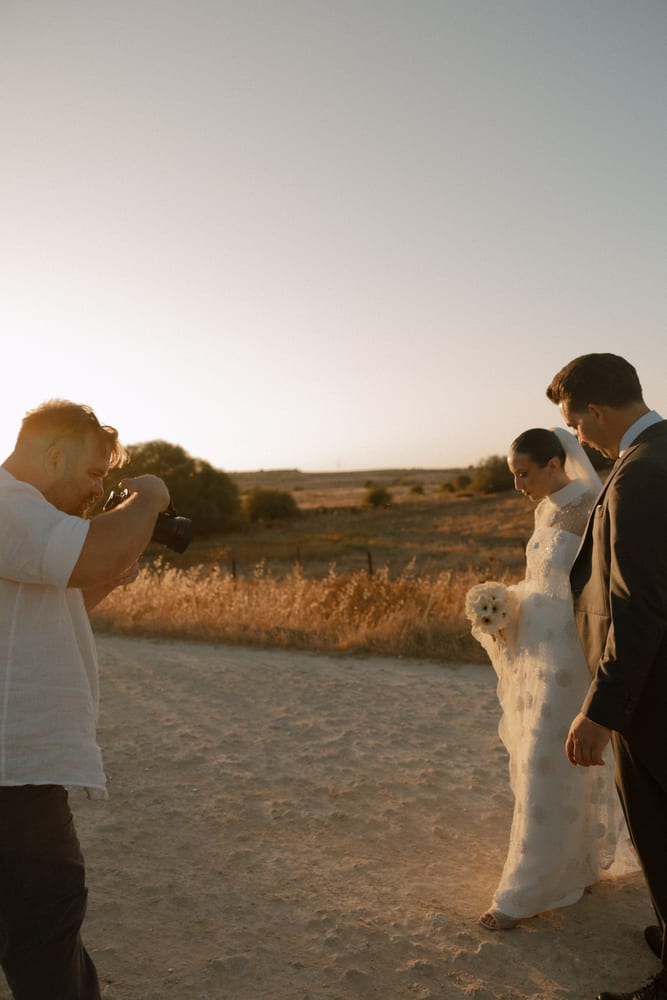
Christian, of Cupido debe morir, is my friend, and I shoot many of my weddings with him: he takes the photos and I film. We both look in the same direction and, when we work together, we even move in the same direction, as if we were one.
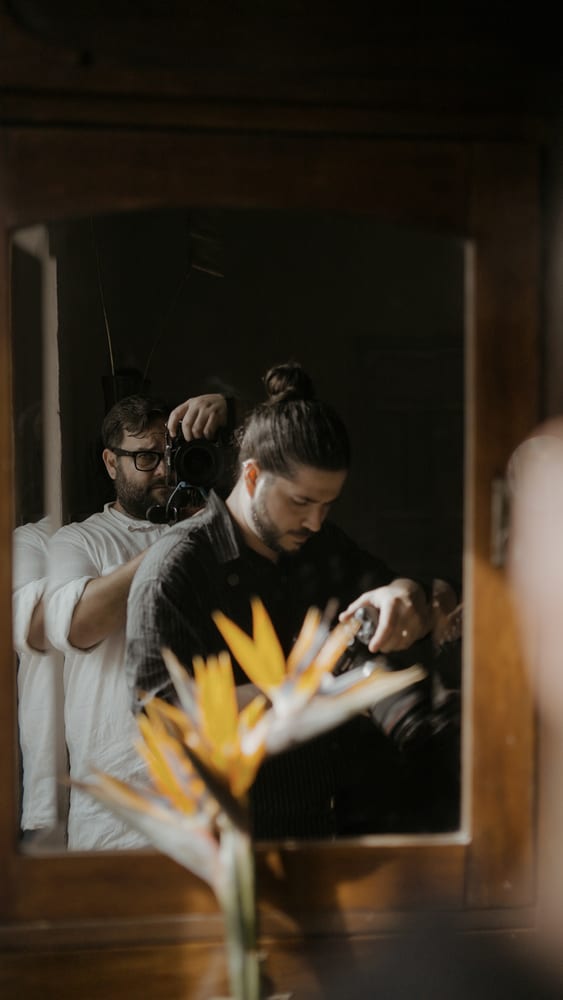
I’ve been filming weddings all over Andalusia since 2016, based in Huelva: mostly in Huelva, Seville, Cádiz and Málaga, and across the rest of Andalusia and Spain too. If you’re planning a destination wedding in the south of Spain, there are always two of us, with our own sound and the whole ceremony, from getting ready to the open bar.
The place where we have filmed most is the Convento de la Luz, in Lucena del Puerto (Huelva): more than fifteen weddings since 2024. We have also filmed outside Andalusia, in Ceuta, Zaragoza and Madrid, and even in AlUla, in Saudi Arabia.
The venues where we have filmed →I’d love you to get to know me.